What is urgency? Why are some people driven while others sit back?
Because I am a happy cliche, Hamilton has been on repeat recently. In Burr’s words: “he has something to prove, he has nothing to lose.”
Why wouldn’t you try to do everything you can? Time is limited, and you can’t wait for life to happen to you.
Clearly not everyone feels this way. Or even if they do, they don’t all feel able to do the same.
⌘
There is a moment in the recent Kurt Vonnegut documentary where they talk about how he failed at all kinds of things; as a General Electric publicist, as a car salesman, and sometimes as a parent. But he was driven beyond comprehension to write, write, write.
Where it comes from, that inner momentum, is a mystery. Perhaps it’s desperation. Or necessity. Or, like Vonnegut, a need for expression.
But urgency is real, and there are urgent things all around us. Not the distractions, the cheap trinkets that want your attention for a millisecond to justify their existence. I mean the big stuff. The real politics—the invasions, the insurrections—or the stuff of science, the energy crisis, the burning world. These worlds circle each other and interlink, two cultures writ over again.
⌘
What if drive is just another way of expressing resilience? Of overcoming?
Because not stopping looks a lot like resilience to me. We make new things, share new thoughts. We keep going.
“It’s about resilience, flexibility, adaptation and novelty in the face of the strange, not just on a physical or policy level, but as a strand of self-identity,” he says. “Wild Sky thinking is about how to live with yawning existential chaos… Wild Sky thinking accepts radical change as a permanent state, generates fluid or branching strategies, and seeks to thrive by creating chains of liveable space in volatile environments.”
⌘
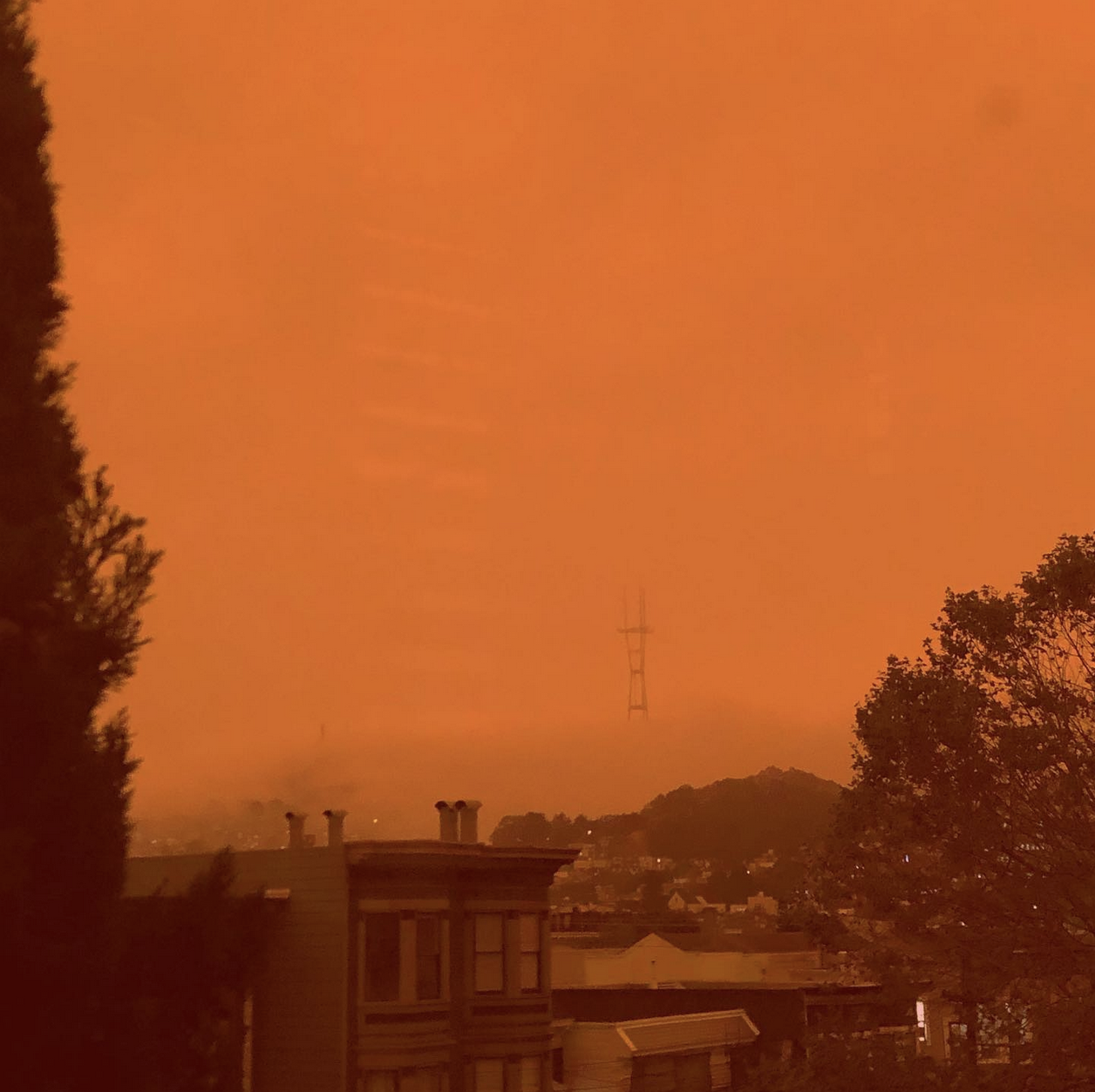
The wildest sky I remember happened on September 9, 2020. San Francisco was bathed in unending dusk caused by a horrible cascade. The wildfires created smoke. The smoke blocked the sun. The sun turned the skies red.
For a moment it was a slap in the face, a hiatus, a break in what you thought you knew.
It was that moment when you don’t know what to do.
And then?
Urgency. Drive.
Time is limited.
What can we do but create? What can we do but keep going?
We make new things, we share new thoughts. We keep going.
Hannah Arendt argued that the birth of America in 1776 wasn’t intended to create a new order. It was meant to rewind individual liberties back to where they’d been before.
I don’t know enough to agree or disagree.
But I do know—just as Ukrainians know, and people who have fought for their rights know—what real unfreedom looks like.
• Things I discovered from this Tara Westover interview: She didn’t want to write another memoir. Now she’s done a lot of therapy and she is writing another memoir. Her relationship with writing is really interesting and complicated. She’s funny. But nobody who reads Educated thinks she’s funny. (Longform)
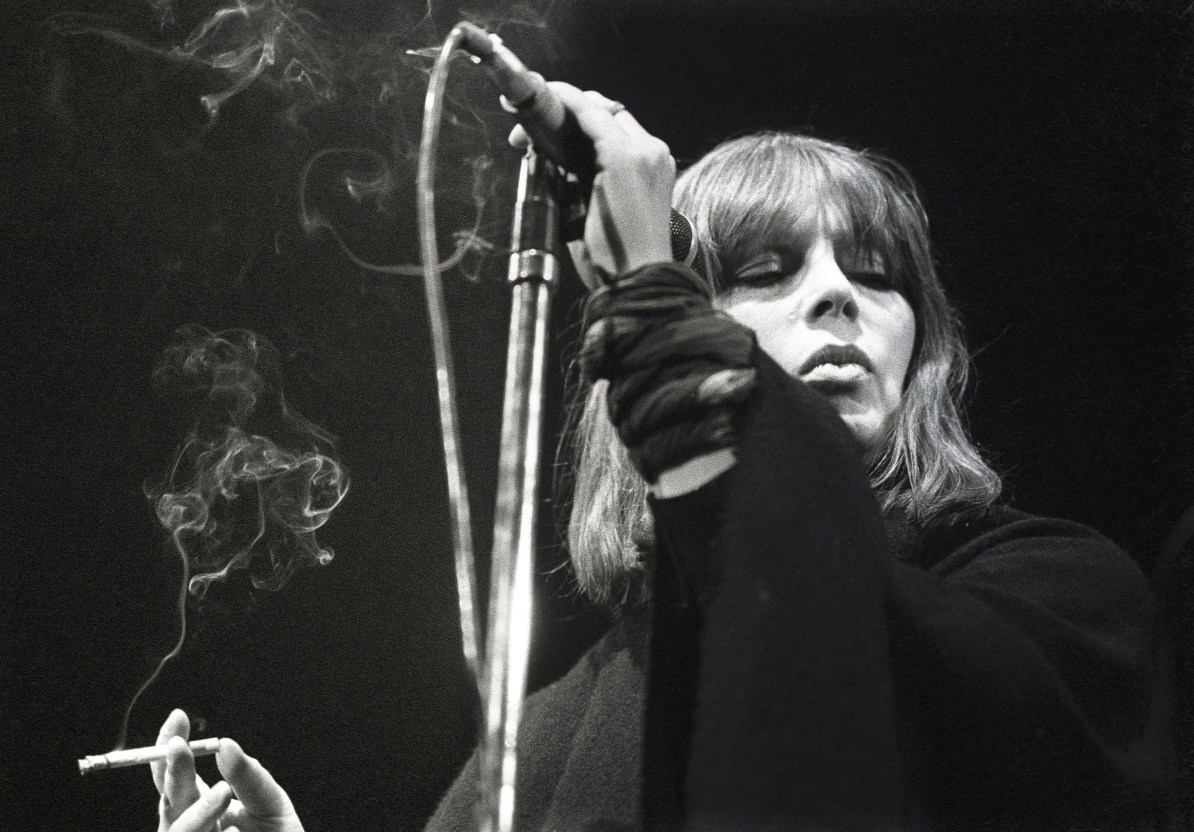
• Lavinia Greenlaw takes a look at Nico. Quoting a friend: “Even the furniture groaned out loud when she walked into the room. I had seen chairs creep across the carpet in hopes that she might sit down on them.” (London Review of Books)
• This bumper sticker fest is either property of a couple you absolutely wouldn’t want to spend time with, or an individual who has a very bifurcated personality. (Twitter)
Ambience is a funnel rather than a bridge; a seesaw more than a handshake.
One side makes its effort external. It produces, focuses, creates, anything from music to information to ideas. The other side’s effort is internal. It consumes, digests, it moves on.
Social media is built on ambient relationships. You post, you tweet, you share; I read, I listen, I see. Maybe we interact briefly. But I can feel closeness to you without actually having it.
To make things even more complicated, we can exist on both sides—creators and consumers of other people’s thoughts, and each other’s. But so often I see what you’re doing, you see me, but we’re never quite talking to each other.
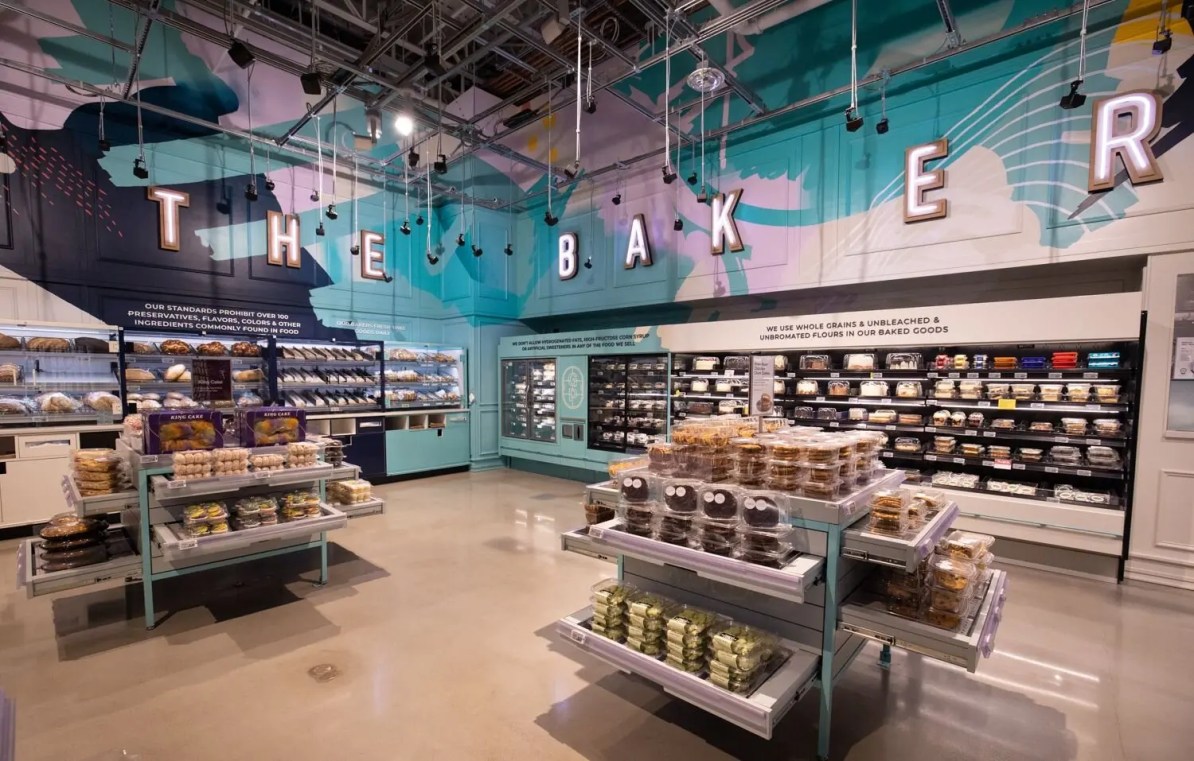
It wants ambient shopping: stores where you simply walk in, pick up stuff, and walk out. We’ve gone from replacing clerks to replacing interaction.
Brad Stone’s book The Everything Store talks a lot about how obsessed with this reality the folks there are, and how much time and effort they have put into it.
Why?
Maybe because the heart of this new sort of information ambience—that is, the lop-sidedness—is a kind of power.
Ambient noise doesn’t know who is listening. It is created by people who care about what they are doing, and is consumed by people who don’t. It’s a marriage of convenience.
But with ambient computing, that relationship changes.
You are both the creator—generating a flood of data—and the absent-minded consumer. But the computer, it hears. It acts. It is ambient only in as much as you do not notice; like ambient friendship, marrying convenience and utility against the feeling of being watched.
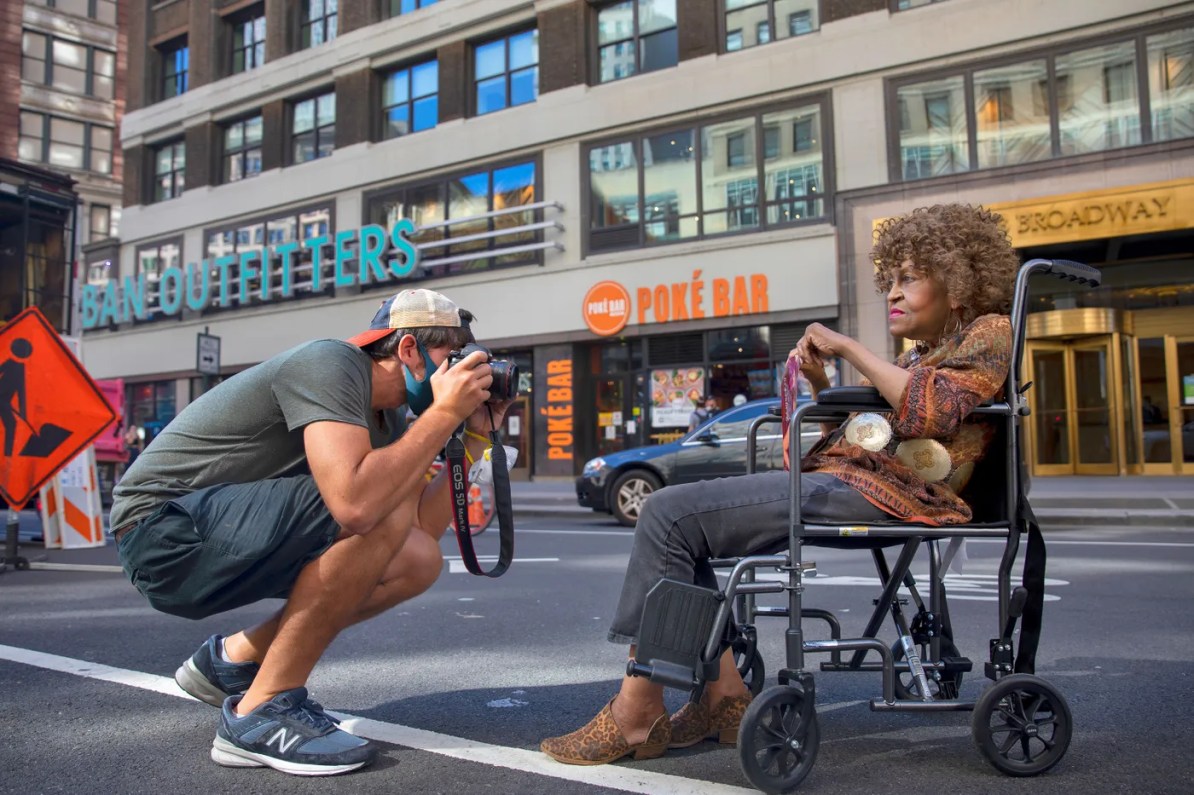
• This profile of Humans of New York’s Brandon Stanton walks a fine line—there’s a pang of gatekeeping outrage as it describes the weird success he’s garnered, and how he’s chosen to use it, a sort of empathy-virality-philanthropy axis which must make many fundraisers jealous. But I think it’s at its best when it is asking him to interrogate his own power.
• Dream team: Angela Chen, one of my most talented and multifaceted former colleagues, interviewed by Anne Helen Petersen, one of my go-to writers, on asexuality.
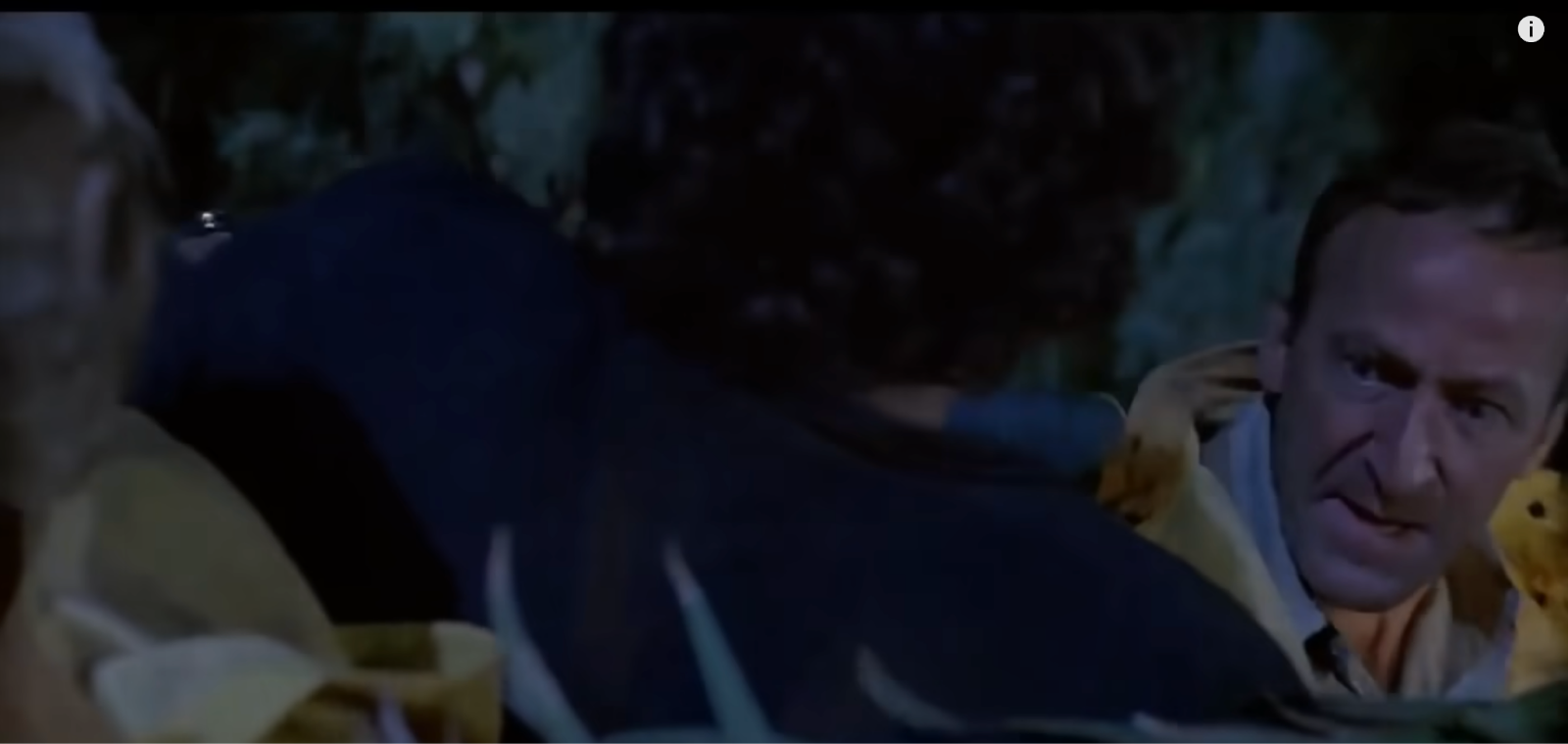
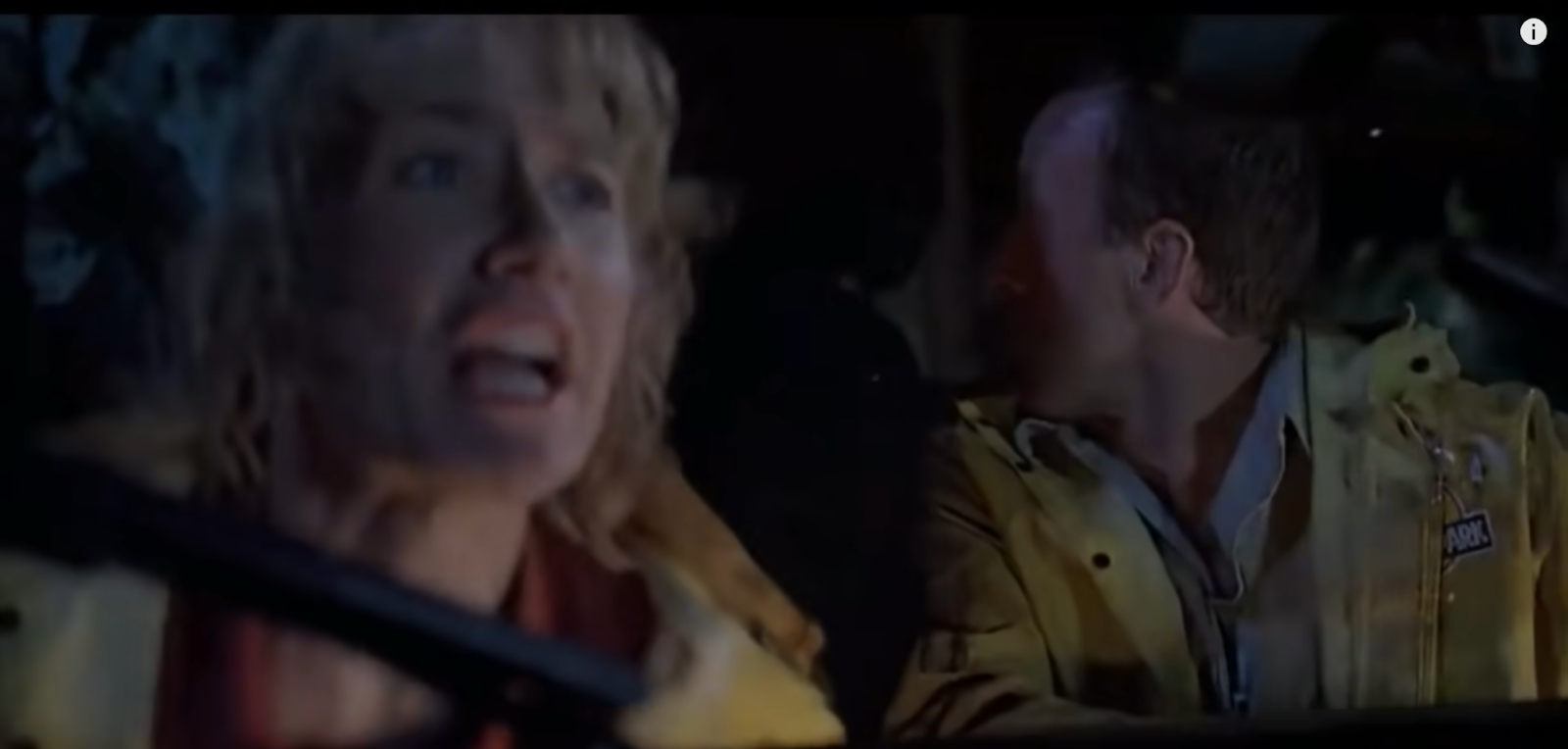
T-rex pounds down the track, smashing through trees and roaring wildly as it hunts down the jeep. Jeff Goldblum, folded up in terror and injury, cringes back and knocks against the gearshift. Laura Dern suddenly screams “Look out!”
Did you see it?
It is easy to miss on the first attempt, or even the fifth. But keep looking, and the eye can eventually discern what the brain couldn’t: a brutal jump cut right in the middle of an action scene from one camera angle to a slightly different camera angle of the same thing.
One of the biggest movies of all time, breaking one of the most basic rules of cinematography.
⌘
There’s a line at the end of the first verse of The War on Drugs song “I Don’t Live Here Anymore” that sounds like “I never wanted anything / that someone had to give / I don’t live here anymore / I went along eeh will.”
In an episode of the Song Exploder podcast, lead singer Adam Granduciel explains: He ran out of words when he was writing and made a noise instead. Despite attempt after attempt in the studio to replace it with another line, he could never find a better answer. So it stayed.
⌘
There are so many ways we can make mistakes, but also to make things that merely have the appearance of a mistake. Rug makers, musicians, film editors, map makers—all making deliberate choices to keep an error, or introduce one, in a piece of work.
They know why, just like you do. There are moments when feeling overtakes theory, and when the wrong answer is the only way to get the emotion right.
Lots of great, often worrying, information in this story on IKEA’s insatiable appetites. It’s the world’s largest consumer of wood; it’s the largest private landholder in Romania. I also learned the word “edacity”. (trees, passim)
The NYT’s David Leonhardt, who has consistently argued for a kind of liberal’s relaxation of covid restrictions, has been a loud voice during the pandemic and often an incredibly frustrating one. This New York profile gets into a lot of good material on it. My favorite line: “He was exactly as tall as I expected.”
Paul Farmer, one of the truly unique forces in global health equity, died this week. I found this tribute one of the most honest and affecting.
Something else we have endless edacity for? Scam stories. Here’s a new one: a design agency, spun up while everyone works remotely, that never truly existed.



 Start here