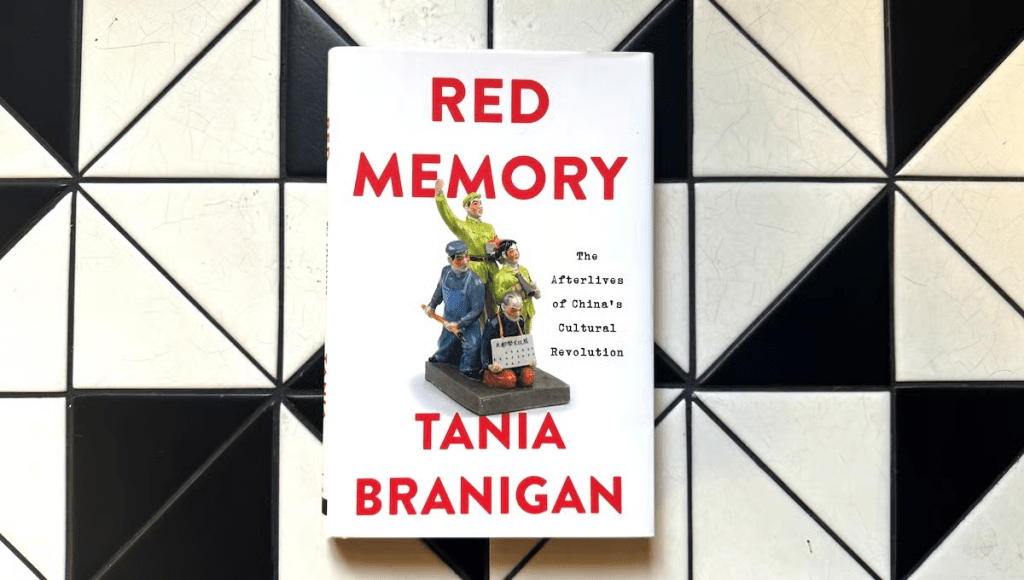
This month’s Curious Reading Club pick is Tania Branigan’s Red Memory: The Afterlives of China’s Cultural Revolution (WW Norton, 2023). It’s an absolutely fascinating look at people’s memories of this turbulent, horrific period of recent Chinese history, and how people wrestle with what they have done and what they didn’t do.
Tania is an old colleague of mine from the Guardian: I once visited her in Beijing while I was on assignment for this Wired story about Chinese hardware pirates. I’d spent the last couple of weeks in Shenzhen and Shanghai, which were strange in their own ways, but Beijing felt like another level of strange: an overwhelmingly large, smoggy, oddly circular city, full of construction sites and hidden alleyways, and far more alien to me than I expected.
My language was non-existent, so I’d gotten lots of things written down as a way of navigating the city—but when I showed the taxi driver the address of Tania’s place, he shrugged. It was clear that he didn’t know where to go.
I eventually ended up drawing a picture of the distinctive building, which the driver recognized after I attempted some cajoling and wild hand movements: his thick eyebrows leapt suddenly up and his crooked smile emerged as he realized exactly where this dumb Englishman was trying to go.
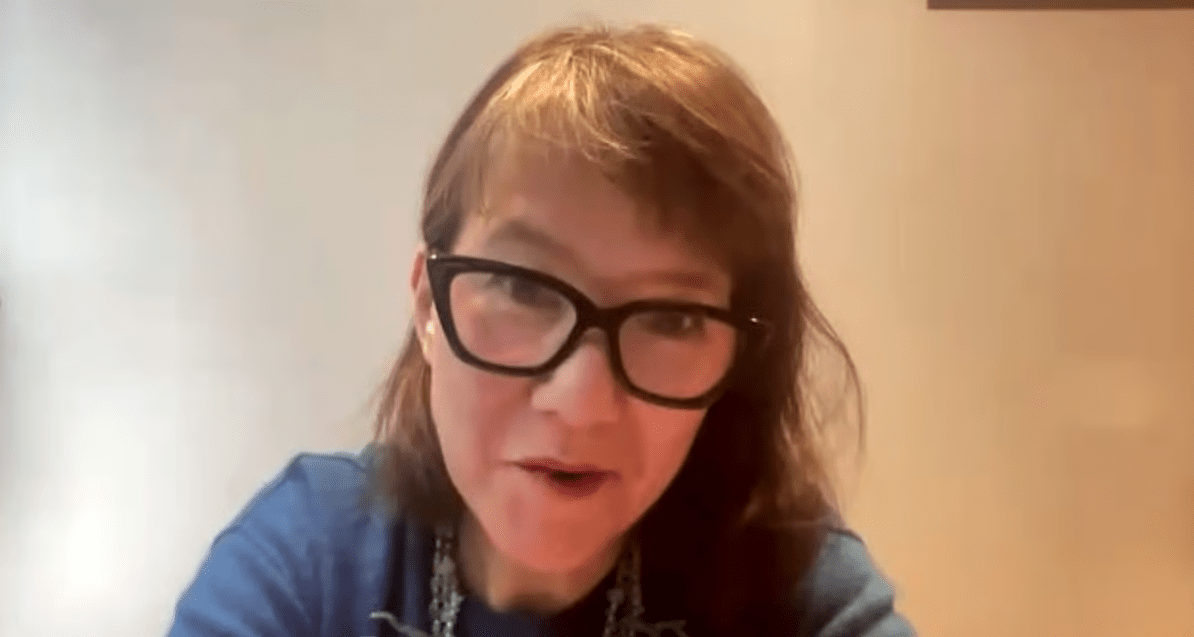
Anyway, I had a really great conversation with Tania about her book, about individual and collective memory, about how people censor their own memories as a way of coping with what’s happened.
When I began the book, I thought it was going to be much more about official suppression. And sometimes it was. But as I wrote, I realized more than more that, actually, a lot of it was about people wanting to not address it for very personal reasons, not just because they were scared of what the authorities might do. Often it was simply too painful to talk about, or they felt guilt in talking about it, or their version of what had happened was very different to the memories of other people around at that time.
—Tania Branigan
We also discussed what lessons there are for today, and how people imagine they’d act differently in times of strife. The evidence I see around me is that while everybody thinks they’d resist an authoritarian purge, or would refuse to take part in struggle sessions, many more people would become willing collaborators than they realize.
 Start here